
Is my hair thinning?
As we journey through the chapters of life, our hair, once lush and vibrant, may undergo a gradual transformation. The strands that once danced with vitality might, over time, begin to whisper their vulnerability. They thin out, like pages worn by the gentle touch of time. Each strand tells a story of moments, experiences, and memories, and as they grow more delicate, they mirror the fragility that comes with the years.
Embracing this change is like acknowledging the wisdom of a well-loved book, whose pages may age, but the beauty within remains ever present.

Thinning hair as we age is a natural biological process, influenced by various factors. Here is a more scientific explanation of how it occurs:
1. **Genetics**: One of the primary determinants of hair thinning is genetics. Androgenetic alopecia, commonly known as male or female pattern baldness, is a hereditary condition. It involves the gradual shrinking of hair follicles over time, resulting in finer and shorter hair strands.
2. **Hormonal Changes**: Hormonal fluctuations can play a significant role in hair thinning. As we age, our bodies go through hormonal shifts, such as reduced estrogen and increased dihydrotestosterone (DHT) in both men and women. DHT can shrink hair follicles, leading to thinner and shorter hair growth.
3. **Reduced Hair Growth Cycle**: Hair goes through a growth cycle consisting of anagen (growth), catagen (transitional), and telogen (resting) phases. With age, the anagen phase becomes shorter, meaning that hair spends less time growing and more time resting. This results in a decrease in the overall volume of hair.
4. **Reduced Blood Flow**: Aging can lead to a reduction in blood flow to the scalp, which can result in fewer nutrients and oxygen reaching the hair follicles. This may lead to a decrease in the quality and quantity of hair produced.
5. **Environmental Factors**: Excessive sun exposure, pollution, and harsh styling practices over the years can damage hair and make it more prone to breakage, further contributing to the appearance of thinning.
6. **Nutritional Deficiencies**: As we age, nutritional requirements and dietary habits may change. Nutrient deficiencies, such as those in iron, biotin, and other vitamins, can impact hair health, leading to thinning.
7. **Medical Conditions**: Certain medical conditions like thyroid disorders and autoimmune diseases can affect hair growth and lead to thinning. Chronic stress can also contribute to hair problems.
8. **Medications**: Some medications, including those used for long-term treatment of various health conditions, may have the side effect of hair thinning.
It's important to note that while age-related hair thinning is a common occurrence, it's not inevitable for everyone, and there are ways to manage and treat it, depending on its underlying cause. Consulting a healthcare professional or dermatologist can provide guidance on addressing specific concerns related to thinning hair.

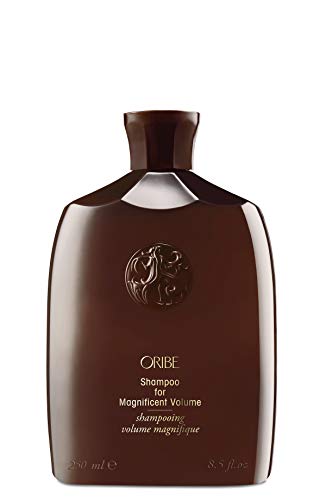
Oribe Hair Care in stock at Infuse Hair Salon. We maintain a climate-controlled storage methods to preserve quality of our inventory.